

Table of Contents
- How Selling Unused Gift Cards for Cash Actually Works
- Gift Card Resale Value: What Affects Your Payout Rate
- Best Gift Card Exchange Sites Compared
- Step-by-Step: How to Sell Unused Gift Cards Online
- How to Avoid Gift Card Scams When Selling Online
- Tax Implications of Selling Gift Cards
- Conclusion
Last Updated: August 25, 2026
How Selling Unused Gift Cards for Cash Actually Works
Sitting on a stack of gift cards you’ll never use is essentially leaving cash on the table. At Checkout Saver, we help shoppers turn those forgotten balances into real money, and the process is more straightforward than most people expect.
The gift card secondary market is a legitimate, well-established way to sell unused gift cards and recover a portion of their face value. You submit your card to an exchange platform, they verify the balance, and you receive a cash payout, typically via PayPal, Zelle, or check. The exchange platform then resells that card to a buyer at a discount, keeping the spread as their fee.
The core tension in this market: you want the highest payout rate possible, and the exchange platform wants the widest margin. Understanding that dynamic is what separates a good deal from a bad one. Below, we’ll walk through exactly how fees work, which platforms pay best, and how to protect yourself from scams.
Physical Cards vs. Digital E-Codes: What to Expect
The format of your card matters more than most sellers realize.
Physical cards require you to either mail them in or enter the card number and PIN manually through the platform’s website. Mailing adds processing time, sometimes a week or more, but some platforms pay more for physical cards because they can resell them with higher buyer confidence.
Digital e-codes are faster. You submit the card number and PIN online, the platform verifies the balance instantly, and payout can arrive the same day. Many sellers prefer this route for the speed, though payout rates between physical and digital cards can vary by retailer.
One practical note: if your physical card doesn’t have a visible PIN, check the back for a scratch-off panel. Some retailers also let you retrieve the PIN through their customer service line before you sell.
Gift Card Resale Value: What Affects Your Payout Rate
Gift card resale value is the percentage of the card’s face value you actually receive as cash after the platform takes its cut.
Not all cards are equal in the secondary market. A $100 Amazon gift card and a $100 gift card from a specialty retailer will fetch very different payouts. The factors driving that gap come down to demand, liquidity, and retailer restrictions.
Cards from high-demand retailers, think general merchandise, grocery, and popular fashion brands, tend to have higher trade-in value because the exchange platform can resell them quickly. Cards from niche or regional retailers move slowly, which forces platforms to offer lower payout rates to offset the risk of holding inventory.
Other factors that affect your conversion rate:
- Card balance: Many platforms have minimum balance requirements, often around $10-$25. Very high balances on a single card can sometimes attract better rates.
- Retailer restrictions: Some card issuers prohibit resale in their terms of service, which causes platforms to decline those cards entirely.
- Market saturation: If a platform already holds a large volume of a particular retailer’s cards, they’ll lower the buy rate temporarily.
- Card expiration policies: Cards with fees or expiration dates are harder to resell and typically fetch lower offers.
Check multiple exchange platforms before accepting an offer. Payout rates for the same card can vary by several percentage points between platforms, and that difference adds up quickly on larger balances.
How Service Fees Cut Into Face Value
Service fees are how exchange platforms make money, and they come in a few forms.
The most common structure is a flat percentage deducted from your payout. If a platform offers 85% of face value for a particular card, you receive $85 for a $100 card. That 15% is the platform’s margin, covering payment processing, fraud protection, and operational costs.
Some platforms also charge separate transaction fees on top of the percentage cut, or deduct fees for specific payment methods. Receiving payment via check, for example, sometimes carries an additional fee compared to PayPal or Zelle.
The thing nobody tells you: the advertised "up to X%" rate is almost always the best-case scenario for the most in-demand cards. Your actual payout rate depends entirely on which retailer’s card you’re selling. Always check the specific rate for your card before committing.
Best Gift Card Exchange Sites Compared
The best gift card exchange sites share a few common traits: transparent fee structures, fast payout options, and a clear balance verification process. What separates the good ones from the frustrating ones is how quickly they pay and how honest they are about rates upfront.
Here’s a summary of what to look for when comparing platforms:
| Feature | What to Look For |
|---|---|
| Payout rate | 70-92% of face value, depending on retailer |
| Payment methods | PayPal, Zelle, check, direct deposit |
| Payout speed | Instant to 2-3 business days for digital; 1-2 weeks for physical mail-in |
| Minimum balance | Typically $10-$25 |
| Accepted card types | Major retailers only vs. wide catalog |
| Fraud protection | Identity verification, balance lock-in at offer time |
Most reputable platforms accept cards from major grocery chains, department stores, home improvement retailers, and popular online merchants. Specialty or regional cards have limited acceptance.
According to the Consumer Financial Protection Bureau’s guidance on prepaid cards, consumers should always read the terms of service before transferring value from any prepaid or gift card product, as restrictions vary significantly by card issuer.
Payment Methods: PayPal, Zelle, Check, and More
Payment method affects both speed and the amount you actually receive. Here’s how the common options break down:
- PayPal: The most widely offered option. Payouts typically arrive within 1-2 business days after verification. Some platforms deduct a small processing fee.
- Zelle: Faster than PayPal for many users, often same-day. Requires a bank account linked to Zelle and may not be available on all platforms.
- Check: Slowest option, usually 5-10 business days. Occasionally pays slightly more because the platform avoids payment processing fees.
- Direct deposit / ACH: Available on some platforms, with 1-3 business day processing.
- Store credit or trade: Some platforms offer a higher "value" if you accept store credit instead of cash. This is only useful if you plan to buy discounted gift cards anyway.
If a platform only offers payment via wire transfer, cryptocurrency, or prepaid debit card with no other options, treat that as a red flag. Legitimate exchange platforms always offer at least one mainstream payment method like PayPal or Zelle.
Step-by-Step: How to Sell Unused Gift Cards Online
Selling a gift card online takes about 10-15 minutes from start to finish once you have your card information ready.
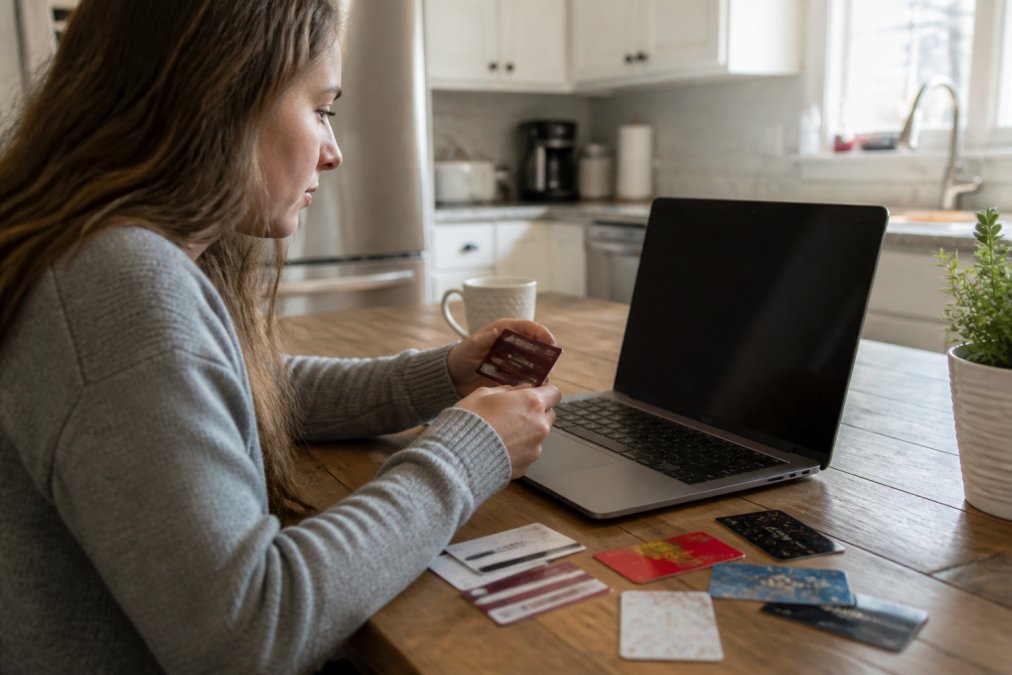
Step 1: Check your card balance. Go directly to the retailer’s website or call the number on the back of the card. Never rely on a third-party balance checker site, as some are designed to harvest card numbers.
Step 2: Choose a platform. Compare payout rates for your specific card across two or three exchange sites. The difference between platforms on the same card can be meaningful.
Step 3: Submit your card details. Enter the card number, PIN, and current balance. Most platforms lock in the rate at this point, so your offer won’t change if the market shifts.
Step 4: Complete identity verification. Most platforms require basic identity checks before processing payment. Have your email address ready and expect to verify your account if it’s your first transaction.
Step 5: Accept the offer. Review the payout amount, the fee structure, and the payment method options. Accept only when you’re satisfied with the terms.
Step 6: Select your payment method. Choose PayPal, Zelle, check, or whatever option works best. Confirm your account details carefully.
Step 7: Confirm and wait. For digital cards, payout often arrives within 24-48 hours. For physical cards, expect longer processing once the card arrives by mail.
Balance Verification and Identity Checks
Balance verification is a non-negotiable step in the exchange process. Platforms verify your card’s balance before releasing payment to protect against fraud, and this protects you too.
Most platforms verify balances in real time by connecting directly to the retailer’s system. Once verified, many platforms "lock" the balance so it can’t be spent elsewhere while the transaction is pending. This is standard practice and a sign of a well-run platform.
Identity verification typically involves confirming your email address and, for larger transactions, submitting basic personal information. This step exists because the gift card secondary market has historically attracted fraud, and responsible platforms take fraud protection seriously. As documented in FTC guidance on gift card scams, gift cards are frequently exploited in fraud schemes, which is why legitimate platforms invest heavily in identity verification.
What to Do If Your Card Gets Rejected
Card rejections happen for a few common reasons, and most are fixable.
Common rejection reasons:
- The card balance is below the platform’s minimum threshold
- The retailer is not in the platform’s accepted card catalog
- The card has already been partially or fully redeemed
- The card issuer’s terms prohibit resale
- The balance could not be verified in real time
If your card is rejected, try these steps:
- Double-check the balance directly with the retailer before trying another platform.
- Try a different exchange platform. Accepted card lists vary widely between services.
- If the card is from a retailer with resale restrictions, check whether the retailer offers a trade-in or exchange program directly.
- Consider using the card yourself or gifting it rather than letting it sit unused.
One thing worth knowing: a rejection is not a permanent verdict. A card rejected by one platform may be accepted by another, especially for less common retailers.
How to Avoid Gift Card Scams When Selling Online
The gift card secondary market has a scam problem, and sellers are just as much a target as buyers. The most common scheme involves a fake buyer offering to "purchase" your card outside a legitimate platform, asking you to share the card number and PIN directly before sending payment. Once they have the card details, the payment never arrives.
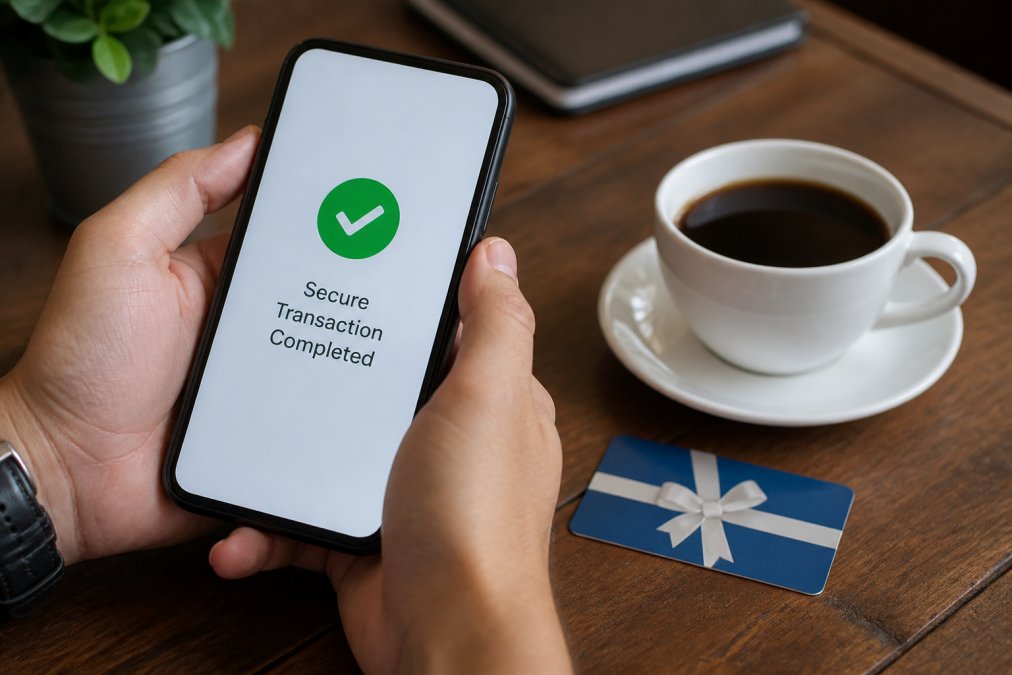
Stick to these principles and you’ll avoid the vast majority of scams:
- Only sell through established exchange platforms. Never sell directly to individuals on social media, classified ad sites, or via email.
- Never share card details before receiving payment confirmation. Legitimate platforms verify the card through their own systems. They do not need you to "send" them the details in an unstructured way.
- Check platform reviews independently. Look for the platform on the Better Business Bureau’s business directory before submitting any card information.
- Avoid platforms with no physical address or customer support contact. Legitimate services have real support channels.
- Be skeptical of unusually high payout rates. If a platform offers 95% of face value when every other legitimate platform offers 80-85%, something is off.
Secure transaction practices also include using a unique email address for exchange accounts and never reusing passwords across financial platforms. Account security is easy to overlook but matters when real money is involved.
The single most reliable safety check: if someone is asking you to sell a gift card outside of a dedicated, established exchange platform, it’s a scam. No exceptions.
Tax Implications of Selling Gift Cards
Most people don’t think about taxes when they sell a gift card, but it’s worth understanding where you stand.
Gift cards are generally treated as cash equivalents for tax purposes. When you receive a gift card as a gift and then sell it for less than its face value, the IRS generally considers this a sale of property. If you sell for less than the card’s original value, which is almost always the case when selling through an exchange platform, you technically realize a loss, not a gain. Losses on personal-use property are generally not deductible, but they also don’t create a taxable gain.
The situation gets more nuanced if you regularly buy and resell gift cards for profit, which the IRS may treat as a business activity subject to self-employment tax and income reporting requirements.
For most casual sellers, selling a handful of unwanted gift cards per year is unlikely to create any tax liability. That said, tax rules are specific to individual circumstances. For current guidance, refer to IRS Publication 525 on taxable and nontaxable income and consult a tax professional if you’re selling at significant volume.
A practical summary for casual sellers:
| Scenario | Likely Tax Treatment |
|---|---|
| Selling a received gift card at a loss | No taxable gain; loss on personal property not deductible |
| Selling multiple cards regularly for profit | May be treated as business income |
| Receiving cash for a gift card at face value | Potentially taxable as income |
| Occasional sale of one or two cards per year | Generally no reportable tax event |
Frequently Asked Questions
Can I get cash for unused gift cards?
Yes. Gift card exchange platforms let you sell unused gift cards for cash, typically paid out via PayPal, Zelle, or check. The amount you receive depends on the retailer and the card's balance. Popular brands like Amazon, Target, and Walmart tend to fetch higher resale values than niche or lesser-known retailers. Most platforms process transactions within one to three business days, though some offer same-day payment for digital e-codes.
What is the typical payout percentage for selling gift cards?
Payout rates on gift card exchange sites generally range from 70% to 92% of the card's face value, depending on the retailer's demand and the platform's service fee structure. High-demand brands command better rates. A $100 gift card might net you $75 to $90 after fees. Always check the quoted conversion rate before submitting your card, since rates fluctuate based on market demand and the secondary market's current liquidity.
Are there risks when selling gift cards online?
Yes, scam risk is real. Fraudsters pose as buyers on peer-to-peer platforms and disappear after you share card details. To stay safe, use established exchange sites with fraud protection and identity verification processes. Never share your card number and PIN over email or social media. Stick to platforms that hold payment in escrow until the card balance is confirmed, and check each site's transaction history and user reviews before selling.
How do gift card exchange sites handle physical cards differently from digital e-codes?
Digital e-codes typically process faster because balance verification is instant and there's no shipping involved, making same-day payment more common. Physical cards require you to enter the card number and PIN manually or mail the card in, which adds processing time. Some platforms only accept digital codes, while others handle both. If you have a physical card, check whether the platform allows you to enter the details online rather than mailing it to speed up your payout.
Checkout Saver is built for exactly the kind of shopper who wants to get real value from every card, coupon, and cashback opportunity, without hidden fees or complicated processes. If you have unused gift cards sitting in a drawer, our platform gives you a transparent way to sell them, buy discounted cards, and trade coupons, all in one place. Sign up free and start putting those balances to work.
This article was written using GrandRanker

