

Table of Contents
- How Cash Back Rewards Actually Work
- Best Cashback Credit Card Strategy for Retail Shoppers
- Stacking Retail Rewards: The Multi-Layer Approach
- Discounted Gift Cards for Shopping: A Hidden Multiplier
- How to Maximize Cashback on Retail Purchases Step by Step
- Psychological Pitfalls That Eat Your Maximize Cashback Gains
- Tax Implications of Cash Back and Rebates
- Conclusion
Last Updated: August 27, 2026
Most shoppers leave real money on the table at checkout because they’re only using one layer of savings at a time. At Checkout Saver, we’ve tracked how budget-conscious shoppers approach retail spending, and the pattern is clear: the people who save the most aren’t using better cards or better apps. They’re using all of them together.
This guide breaks down exactly how to maximize cashback on retail purchases in 2026, from the mechanics of how rewards work to the multi-layer stacking strategies that compound your savings on every transaction.
How Cash Back Rewards Actually Work
Cash back is a rebate system where a percentage of your purchase price is returned to you after a qualifying transaction. The rebate flows from the merchant’s interchange fee, through the card issuer, and back to you as a statement credit, check, or deposit.
Not all cashback percentage structures are created equal. The difference between a flat-rate card and a tiered card can be significant depending on where you spend most.
Flat-Rate vs. Tiered Reward Structures
Flat-rate rewards return the same cashback percentage on every purchase, regardless of category. A card offering 1.5% back on all spending is simple to use and easy to optimize around.
Tiered reward structures offer higher cashback percentages in specific categories and a lower base rate on everything else. A card might return 3% at grocery stores, 2% at gas stations, and 1% everywhere else. Some cards use rotating bonus categories that change quarterly, requiring active management to capture the higher rate.
Most households benefit from holding at least one flat-rate card and one tiered card, using each where it earns the highest rate.
Spending Caps, Annual Fees, and Redemption Options
Spending caps are the detail most people miss. Many tiered cards cap the bonus cashback percentage at a certain annual or quarterly spend within a category. After that threshold, the card drops to the base rate. If you’re a heavy spender in a bonus category, hitting the cap early means you’re earning far less than expected.
Annual fees require honest math. A card with higher cashback but a meaningful annual fee only comes out ahead if your total annual rewards exceed what a no-annual-fee card would have earned.
Redemption options matter too. Statement credit is most common, but some programs require a minimum balance before redemption or expire rewards after a set period.
Never assume your rewards are accumulating optimally. Check your card’s spending cap status quarterly. Many shoppers hit their bonus category cap in Q2 and spend the rest [of the](/coupons) year earning the base rate without realizing it.
Best Cashback Credit Card Strategy for Retail Shoppers
The best strategy is not about finding one perfect card. It’s about building a small, deliberate portfolio where each card covers a gap the others leave.
Matching Cards to Your Spending Categories
Pull three months of bank and card statements and categorize your spending by dollar volume. Grocery, gas, dining, and online shopping are the most common high-spend categories for households.
Once you know where your money goes, match cards to categories:
| Spending Category | Card Type to Prioritize | Why |
|---|---|---|
| Groceries | Tiered, 3-6% back | High-frequency, consistent spend |
| Online shopping | Portal-linked or tiered | Stacks with shopping portal bonuses |
| Gas | Tiered, 2-5% back | Predictable, recurring cost |
| Everything else | Flat-rate, 1.5-2% back | Catches all uncategorized spend |
| Large retail stores | Store card or tiered | Often includes retailer-specific rewards |
The goal is zero uncovered spend. Every transaction should land on the card that earns the highest rate for that merchant type.
Sign-Up Bonuses and When They’re Worth It
Sign-up bonuses are the fastest way to accelerate cashback earnings early. Many cards offer a substantial bonus after you meet a minimum spend threshold within the first three months.
A sign-up bonus is worth pursuing when the minimum spend aligns with purchases you’d make anyway, the annual fee is offset by the bonus value in year one, and you’re not opening so many cards simultaneously that your credit profile takes a meaningful hit.
The trap is engineering spending to hit a bonus threshold. Buying things you don’t need to earn a reward erases your financial optimization gains.
According to Consumer Financial Protection Bureau guidance on credit card rewards, cardholders should understand all terms before applying, including how rewards are earned, capped, and forfeited.
Stacking Retail Rewards: The Multi-Layer Approach
Reward stacking is combining multiple cashback sources on a single transaction to maximize the total rebate. Done correctly, a single purchase can generate savings from three or four simultaneous sources.
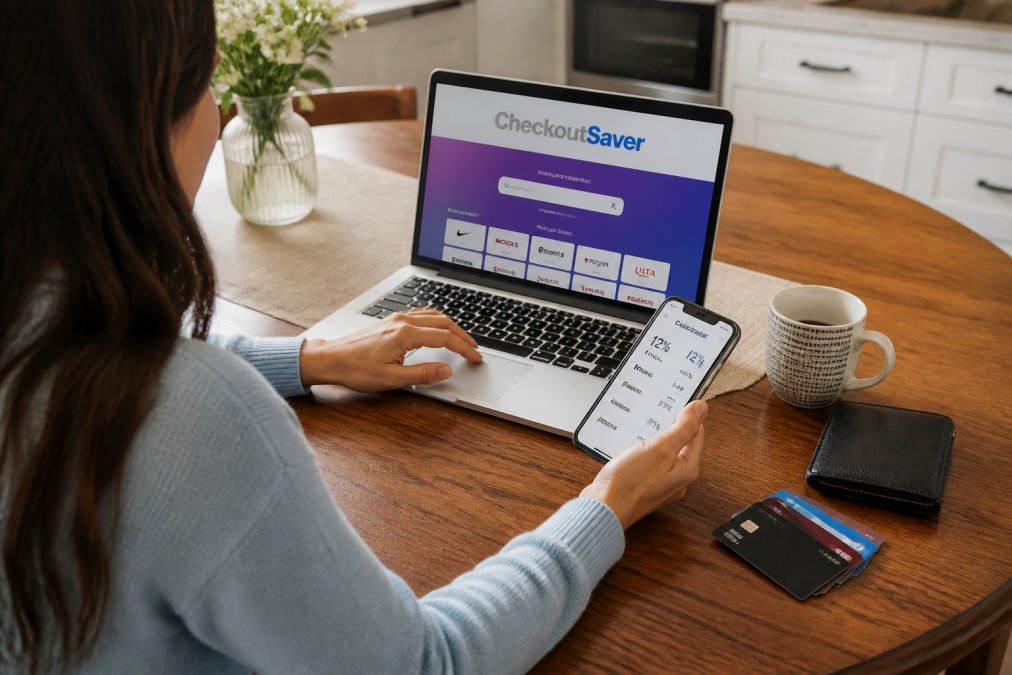
Start with a shopping portal to earn portal-level cashback, pay with the credit card that earns the highest rate for that merchant category, apply a coupon code from a trading platform, and use any active store loyalty rewards. Each layer adds to the last.
Shopping Portals and Cash Back Apps
Shopping portals are websites that sit between you and a retailer. You click through the portal to the retailer’s site, make your purchase normally, and the portal earns a referral commission, part of which it passes back to you as cashback.
The cashback percentage portals offer varies by retailer and fluctuates over time. Checking portal rates before any online purchase is a straightforward habit that adds up quickly across a year of shopping.
Cash back apps work similarly for in-store purchases. You link your card, shop at participating retailers, and the rebate posts automatically. The key is using apps that cover the stores you already visit rather than changing your shopping behavior to chase offers.
Before any online purchase above a few dollars, open two or three portal options and compare their current rate for that retailer. Rates can vary significantly for the same store on the same day, and this check takes under a minute.
Store Loyalty Programs and Merchant-Specific Offers
Store loyalty programs offer retailer-specific rewards that stack on top of your credit card cashback. A grocery store loyalty program might offer bonus points on specific products, digital coupons, and fuel discounts simultaneously.
Merchant-specific offers also appear directly inside many credit card apps, where you can activate deals for specific retailers and earn bonus points or a higher cashback percentage for a limited period.
The combination of a loyalty program, an activated card offer, and your standard card cashback percentage can push total savings on a single transaction well beyond what any single program offers alone.
According to Federal Trade Commission consumer guidance on loyalty programs, loyalty program terms can change without notice, so reviewing your program’s current redemption rules periodically is sound practice.
Discounted Gift Cards for Shopping: A Hidden Multiplier
Discounted gift cards are one of the most underused tools in a retail savings strategy. Buy a gift card for a retailer at below face value, then use it to pay for purchases at that retailer. The discount is instant and guaranteed, unlike cashback that posts days or weeks later.

The multiplier effect comes from stacking the gift card discount with your credit card cashback. If you buy a discounted gift card using a credit card that earns cashback, you earn the cashback on the gift card purchase price. Then the gift card itself is already discounted below face value. Two layers of savings, one transaction.
Checkout Saver offers discounted gift cards with transparent rates and no hidden codes. The platform’s one-time use coupon trading system adds another layer, letting you apply a coupon on top of the gift card discount for qualifying purchases.
For regular shoppers at specific retailers, building a small inventory of discounted gift cards for stores you use every week is one of the highest-return habits in retail savings.
How to Maximize Cashback on Retail Purchases Step by Step
To maximize cashback on retail purchases consistently, follow a repeatable pre-purchase workflow rather than making ad hoc decisions at checkout.
Step 1: Identify the merchant category. Know which of your cards earns the highest rate for this type of retailer before you open your wallet or browser.
Step 2: Check for a discounted gift card. For any retailer where you spend regularly, check if a discounted gift card is available. Buy it with your highest-earning card.
Step 3: Activate card-linked offers. Open your card’s app and activate any available offer for the retailer before the transaction.
Step 4: Route online purchases through a shopping portal. Click through to the retailer from a portal rather than going directly to the site.
Step 5: Apply a coupon code. Use a verified coupon from a platform with confirmed, one-time use codes before completing checkout.
Step 6: Pay with the correct card. Use the card matched to this merchant category, or the card you used to purchase the gift card if paying by gift card.
Step 7: Log the transaction. Record the expected cashback amount and the source so you can verify it posts correctly.
Online vs. In-Store Purchase Tactics
Online purchases offer more stacking opportunities because portal cashback is only available digitally. For online shopping, the full stack applies: portal + card cashback + coupon + loyalty.
In-store purchases lose the portal layer but gain the ability to use physical gift cards and in-store loyalty scanning. Some cash back apps also cover in-store transactions through card-linking.
The practical rule: online purchases have higher stacking potential, so they warrant more pre-purchase effort. In-store purchases should at minimum use the correct card and an active loyalty program.
Automated Tracking Tools That Do the Work for You
Manual tracking breaks down over time. Automated tracking tools connect to your accounts and monitor which rewards have posted, flag missing cashback, and show your total savings across all programs.
Many card issuers now offer built-in spending categorization and reward tracking inside their apps. Third-party tools that aggregate multiple accounts can surface gaps, such as a category where you’re consistently using a lower-earning card.
The goal of automation is to remove the cognitive load from the system. Once your card-to-category matching is set up and your portal habit is in place, automation keeps it running without requiring active management.
As noted in Consumer Reports guidance on managing credit card rewards, keeping a simple log of expected vs. posted rewards helps catch errors that card issuers don’t always proactively fix.
Psychological Pitfalls That Eat Your Maximize Cashback Gains
The system is designed to make you spend more. Every cashback program, loyalty point, and sign-up bonus exists because the issuer or retailer profits from the incremental spending they generate.
The most common psychological pitfall is reward-justified overspending. Buying something you wouldn’t have purchased otherwise because you’ll "earn cashback on it" is a net loss. A 3% rebate on a $100 purchase you didn’t need costs you $97.
A second pitfall is complexity paralysis. When the stacking system becomes too elaborate to execute consistently, people abandon it entirely and revert to using one card for everything. Keep your system simple enough that you’ll actually use it.
A third trap is chasing rotating bonus categories into categories where you don’t naturally spend. Activating a quarterly bonus on home improvement when you never shop there accomplishes nothing.
The discipline that separates people who genuinely save from those who just feel like they’re saving: every decision starts with whether you were going to make the purchase anyway. Rewards are a multiplier on spending you’d do regardless, not a reason to spend.
Maximize cashback gains by applying your stacking system only to purchases already in your budget. Reward optimization that triggers new spending is a loss, not a win.
Tax Implications of Cash Back and Rebates
Most cash back earned through credit card spending is not considered taxable income by the IRS. The IRS generally treats cashback rewards as a rebate or discount on the purchase price rather than income, because you’re receiving a reduction on money you already spent.
The exception worth knowing: cash back or rewards earned without a corresponding purchase, such as a referral bonus paid in cash or points for opening an account, can be treated as taxable income. The threshold and reporting requirements depend on the amount and the issuer’s practices.
For most retail shoppers running a standard cashback strategy, the tax treatment is straightforward and favorable. If you’re earning substantial rewards through a business account or structured referral program, consulting a tax professional is worth the time.
The IRS guidance on taxability of credit card rewards provides the official position on when rewards constitute taxable income, and it’s worth a quick read if your annual reward earnings are significant.
Frequently Asked Questions
Q: Is 1.5% cash back on every purchase a good rate?
A: A flat 1.5% cashback rate is a solid baseline, especially on a no-annual-fee card. Where it falls short is on bonus categories: grocery or gas cards often return 3-6% in those specific reward tiers. The real answer depends on your spending habits. If your purchases are spread across many merchants with no clear pattern, 1.5% flat-rate rewards beat juggling rotating bonus categories. Stack it with a shopping portal and discounted gift cards, and your effective rate climbs well above 1.5%.
Q: How can I stack multiple cashback offers on a single retail purchase?
A: Stacking works by layering independent reward sources on the same transaction. Start with a discounted gift card to cut the face-value cost, then pay with a cashback credit card that earns a bonus in the retail category, and route the purchase through a shopping portal that pays an additional cashback percentage. Each layer is independent, so they add together. A single purchase can realistically return significant combined savings when all three layers align correctly.
Q: What is the difference between flat-rate and tiered cashback credit cards?
A: Flat-rate cards pay the same cashback percentage on every purchase, typically 1.5-2%. Tiered cards pay higher rates in specific reward categories like groceries, dining, or gas, and a lower base rate on everything else. Some tiered cards use rotating bonus categories that change quarterly and require activation. Flat-rate cards are simpler to manage; tiered cards reward shoppers who concentrate spending in high-earning categories. Your best cashback credit card strategy depends on whether your spending is concentrated or spread across many merchant types.
Q: Do cashback portals work alongside credit card rewards?
A: Yes. Shopping portals pay a separate cashback percentage tracked through your click before checkout. That rebate is completely independent of what your credit card earns on the same transaction. The card issuer sees a normal purchase and awards its standard reward; the portal tracks the session and credits its own cashback to your account. Both post separately. This is one of the most reliable ways to maximize cashback on retail purchases without any extra effort beyond clicking through the portal first.
Q: How do discounted gift cards increase my effective cashback rate?
A: Buying a gift card at a discount, say a $100 card for $90, immediately creates a 10% saving before you spend a dollar. When you then pay with a cashback credit card and route through a shopping portal, those rewards are calculated on the full face value of the transaction, not the discounted price you paid. The result is that your effective savings rate is the discount percentage plus every reward layer on top. Discounted gift cards for shopping are one of the fastest ways to push your total return well past what any single card offers.
Q: Are there limits to how much cashback I can earn annually?
A: Many tiered cashback cards cap bonus-category earnings, often at $1,500 or $6,000 in spending per quarter or per year. Once you hit the cap, purchases in that category drop to the base rate. Flat-rate cards rarely impose annual spending caps. Shopping portals and store loyalty programs typically have no earning caps but may limit redemption amounts per transaction. Always read the terms for each reward source in your stack so a cap on one layer does not catch you off guard during peak shopping periods.
Q: Is cash back taxable income in the US?
A: The IRS generally treats credit card cashback as a rebate on spending rather than income, so most cashback rewards are not taxable. Sign-up bonuses that require a purchase to unlock follow the same logic. However, bonuses awarded without any spending requirement, such as a referral bonus paid in cash, can be treated as taxable income. If you earn cashback through a business account and deduct those expenses, the cashback may reduce your deductible amount. When amounts are significant, consult a tax professional for guidance specific to your situation.
Managing retail spending across multiple cards, portals, loyalty programs, and coupon platforms is genuinely complex without the right tools. Checkout Saver brings several of these layers together in one place: discounted gift cards, one-time use coupon trading with no hidden codes, and cashback opportunities that stack with your existing card rewards. Sign up free with Checkout Saver and start putting more of your retail spending back in your pocket.
This article was written using GrandRanker

