Yes, you can combine promo codes, one-time coupons, discounted gift-card balance, and cashback tracking on the same Amazon order when each offer’s terms allow it. The workflow that works best follows a set order: apply promo codes and coupons first, pay with gift-card balance next, then route the rest through a cashback-tracked card. Keep screenshots of every step since returns and eligibility rules can void a stack after the fact.
TL;DR:
- Activate cashback tracking before opening the product page, since many programs require first click attribution; apply promo codes and coupons before using gift card balance.
- Check coupon terms for eligible items and seller limits, because third party fulfillment can block discounts; returns may cancel a single use code after purchase.
- Save screenshots of the order review page and confirmation email, which can support cashback disputes or explain why a refund removed a coupon benefit.
- Treat unsolicited requests for a gift card number or PIN as a scam warning, and never share those details by phone, text, or email.
- If a platform issues Form 1099 K, it reports gross payments, so keep records of purchase costs, fees, refunds, and proceeds to calculate net income.
Table of Contents
- Quick checklist: which discounts commonly stack (and which usually don’t)
- Step-by-step stacking workflow to use at Amazon checkout
- How to verify offer eligibility and common restrictions
- Fraud and safety checklist when buying discounted gift cards or coupons
- Tax and recordkeeping note for cashback, referrals, and coupon selling
- Tools, browser extensions, and workflows that make stacking faster
- Author’s view: when stacking is worth the effort
- How Checkout Saver helps execute this workflow
- FAQ
- Sources
Quick checklist: which discounts commonly stack (and which usually don’t)
Before you try to combine offers, run through what typically works together and what Amazon tends to block.
- Site-wide promo codes and one-time-use (OTU) coupons usually combine with gift-card payment methods.
- Cashback tracking through a browser extension or portal generally layers on top of coupons, since it rewards the purchase rather than changing the price.
- Credit-card rewards almost always stack, because the card doesn’t know what other discounts applied.
- Gift-card purchases themselves are commonly excluded from promo codes. Amazon’s terms allow sellers to restrict offers to qualifying items, and buying a gift card rarely counts as one.
- Seller-only coupons and subscription discounts (like Subscribe & Save) sometimes conflict with other offers on the same line item.
Check the fine print on each coupon before you build a stack around it. A five-minute read saves a failed checkout.
Step-by-step stacking workflow to use at Amazon checkout
Before you buy anything, read the coupon’s qualifying-item language, confirm the seller accepts outside discounts, and save a copy of the offer terms somewhere you can find them later.
- Turn on tracking first. Activate your cashback extension or portal before you click into the product page, since many cashback programs require first-click attribution to credit the purchase.
- Apply promo codes and OTU coupons. Add the item to your cart and enter any coupon codes or one-time offers before you touch the payment section.
- Redeem gift-card balance. Apply your gift-card balance as a payment method once the discounts have registered in your order summary.
- Choose your remaining payment method carefully. Whatever balance is left after the gift card should go on a rewards credit card so you still earn points or cash back on the portion you actually paid out of pocket.
- Capture proof before you submit. Screenshot the order review page showing subtotal, applied discounts, and payment split, since this single image resolves most cashback disputes faster than digging up separate receipts later.
Pro Tip: Test a stack on a low-cost, clearly eligible item first. If the coupon applies cleanly there, you can trust it on the bigger purchase you actually care about.
Once the order confirms, save the confirmation email and the screenshot together. If a cashback claim gets flagged or a refund partially cancels a one-time code, that pair of records is usually all you need to sort it out.
How to verify offer eligibility and common restrictions
Amazon lists qualifying-item conditions directly on the promotion page, and most coupon terms spell out exclusions in a line or two near the code itself. Read both before adding anything to your cart.
- Add the item to your cart and apply the code before committing to a gift card or crypto purchase, so you can confirm it actually reduces the total.
- Use an inexpensive, clearly eligible SKU as a test case when a coupon’s terms are vague about what qualifies.
- Watch for seller-specific limits: a coupon valid on Amazon-fulfilled items may not apply when a third-party seller fulfills the same listing.
- Remember that a return can cancel a one-time-use code’s benefit entirely, even if the rest of the order ships normally.
- Factor in shipping and tax, since some coupons apply only to the item subtotal and not the final charged amount.
A quick cart-level check before checkout catches most of these issues before they become a wasted stack.
Fraud and safety checklist when buying discounted gift cards or coupons
Discounted gift cards are a legitimate way to stack savings, but they’re also a favorite tool for scammers, so a few safety habits matter more than they might seem.
- Never share a gift-card number or PIN with anyone who contacts you first, by phone, text, or email. The FTC warns that only scammers ask you to pay with gift cards.
- Buy from a marketplace with a visible track record, clear refund terms, and support you can actually reach.
- Keep the gift card, receipt, and transaction confirmation until the balance is fully used.
- If something feels off, report it to the FTC and contact the card issuer immediately.
The clearest scam signal, according to the FTC, is urgency paired with a request for your gift-card number or PIN. Treat that combination as an automatic red flag, regardless of who’s asking.
Tax and recordkeeping note for cashback, referrals, and coupon selling
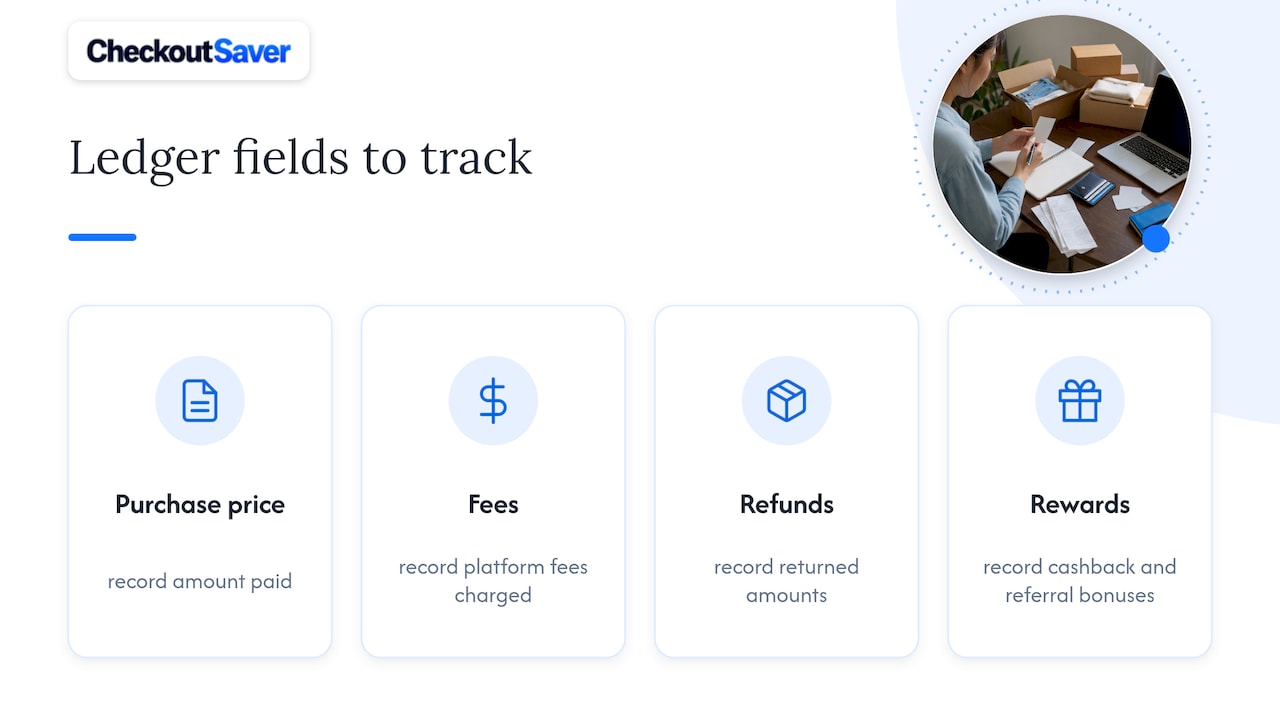
If you sell coupons, earn referral bonuses, or rack up enough cashback that a platform issues a Form 1099-K, keep a simple running ledger: purchase price, fees, refunds, rewards earned, and proceeds from any sale. The IRS notes that Form 1099-K reports gross payment amounts, and fees, credits, and refunds aren’t automatically subtracted on the form itself.
Store screenshots, order IDs, and payout confirmations somewhere searchable. If your proceeds are unusual or substantial in a given year, a tax professional can confirm how to report them correctly.
Tools, browser extensions, and workflows that make stacking faster
A good stacking workflow leans on a few specific tools rather than manually hunting for codes every time.
- A browser extension that autofills coupons and triggers cashback tracking in one click.
- A gift-card marketplace with current listings across major retailers.
- A source for verified one-time-use coupons that haven’t been shared into uselessness.
- A simple way to capture order-confirmation screenshots for dispute evidence.
The Checkout Saver Chrome extension handles the first two: it applies available codes automatically and starts cashback tracking before you check out, which removes the step where most stacks fall apart. Pairing it with discounted gift cards and OTU coupons from the same platform keeps the whole stack in one place instead of three browser tabs.
Pro Tip: Save your highest-percentage cashback offers for your largest planned purchases. A small cashback rate on a big order often beats a large rate on something cheap.
Author’s view: when stacking is worth the effort
Stacking pays off on planned, higher-value purchases like electronics or big household items, where a coupon plus a discounted gift card plus cashback can add up to real money, similar to how shoppers learn how to shop bikini sales and save big by combining discounts effectively. On a $12 item, the same effort barely covers the time it takes. My rule of thumb: if the total discount is less than a cup of coffee, skip the stack and just buy it.
— Justin
How Checkout Saver helps execute this workflow
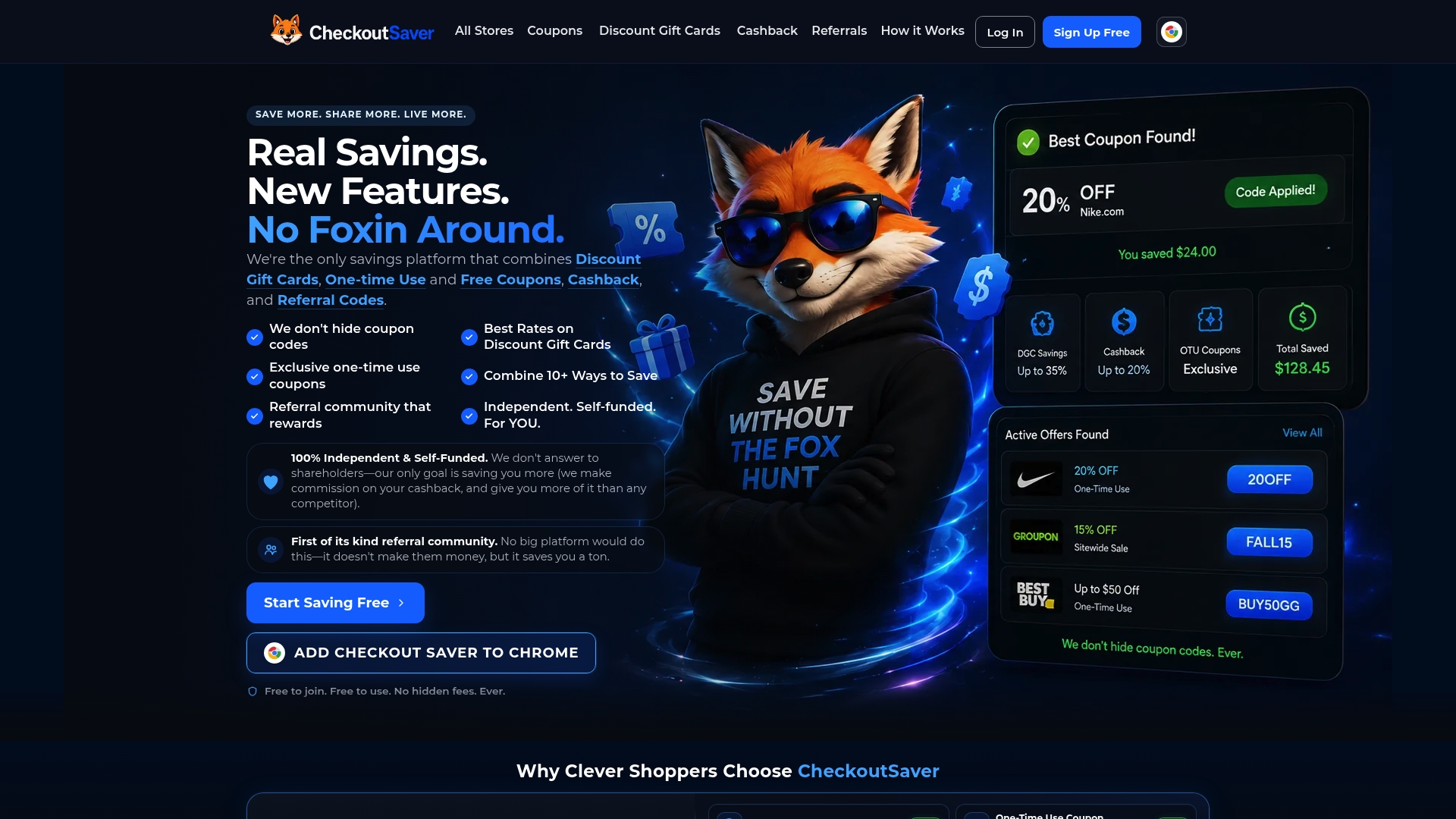
We built Checkout Saver around the exact gap most stacking guides leave open: finding and verifying discounts without hunting across a dozen sites. Our discounted gift cards, including crypto purchase options, one-time-use coupons, and cashback listings for thousands of stores sit in one marketplace instead of scattered across forums and expired-code sites. Coupon codes are not hidden behind a paywall, which is where a lot of time gets wasted on other platforms.
| Step | What you do |
|---|---|
| 1 | Create a free account |
| 2 | Install the Chrome extension |
| 3 | Browse gift-card and OTU coupon listings for your retailer |
| 4 | Track your first cashback purchase |
This setup benefits shoppers making larger or planned purchases most, especially anyone comfortable paying with cryptocurrency for gift cards. If you’re ready to try a full stack on your next order, start with our gift card marketplace and layer in a coupon from the same account.
FAQ
Can you really combine coupons and gift cards on Amazon?
Yes, as long as each offer’s terms allow it and the gift card itself wasn’t purchased using the promo code. Check the coupon’s qualifying-item language first, since Amazon lets sellers restrict what an offer applies to.
Does using a cashback extension cancel out a coupon?
No, cashback and coupons work on different parts of the transaction: the coupon lowers the price, and cashback rewards the purchase afterward. Activate your cashback tracking before applying the coupon to make sure the click gets credited.
What’s the biggest red flag when buying discounted gift cards?
Anyone who contacts you first and asks for your gift-card number or PIN is almost certainly a scammer, according to the FTC. Legitimate marketplaces never need your card’s PIN sent to them directly by phone or text.
Do I need to report cashback or coupon-selling income on taxes?
If a platform issues you a Form 1099-K, the IRS notes it reports your gross payments, not your net profit after fees and refunds. Keep a ledger of your costs and proceeds, and talk to a tax professional if the numbers are significant.
Where can I find legitimate one-time-use coupons?
Verified OTU coupons are available through dedicated marketplaces that list current, unexpired codes rather than recycled ones from old forum threads. Our coupon marketplace lists exclusive one-time-use codes alongside the stores they apply to.
Sources
- Avoiding and reporting gift card scams | Consumer Advice (FTC)
- What to do with Form 1099-K | Internal Revenue Service
Recommended
- How Cashback Works | Earn Real Cashback Shopping Online
- Checkout Saver Coupons: Promo Codes for 5,000+ Stores
- Promo Codes & Coupon Codes | Checkout Saver