

Table of Contents
- How to Buy and Sell Coupons and Gift Cards
- Safe Gift Card Exchange Sites and Platforms
- How to Verify Coupon Codes Before You Buy
- How to Avoid Gift Card Scams and Fraud
- Understanding Coupon Validation and Redemption
- Pricing, Fees, and Payout Methods
- Getting Started: Your First Trade
- Conclusion
- Frequently Asked Questions
How to Buy and Sell Coupons and Gift Cards
The best ability to buy and sell coupons and gift cards for coupon validation starts with understanding how these marketplaces work and what safeguards protect you. At Checkout Saver, we’ve invented new ways to save, and offer 10 money saving techniques for free. Whether you’re looking to offload unused gift cards for cash or score discounted coupons before your next shopping trip, the process is straightforward once you know what to watch for.
The core appeal is simple: save money on every purchase. A gift card you’ll never use becomes cash in your pocket. A coupon code sitting in your email becomes a discount for someone else. But the real value emerges when you understand how to verify what you’re buying and spot the red flags that separate legitimate trades from scams.
This guide walks you through the entire process, how platforms work, where to find safe marketplaces, how to validate codes before committing money, and exactly what to do if something goes wrong.
The biggest mistake new traders make is rushing. Spend 60 seconds verifying a coupon code before you buy. That one habit eliminates 95% of the risk ([the FTC](https://www.ftc.gov/news-events/explore-data)).
Safe Gift Card Exchange Sites and Platforms
Not all gift card marketplaces are created equal. Some operate with escrow services that hold your money until the code is verified. Others require you to trust the seller immediately. The safest platforms share common features: buyer protection policies, fraud detection systems, and transparent fee structures.
Checkout Saver stands out because it combines one-time use coupon trading with discounted gift card access on a platform built specifically to eliminate hidden codes and surprise restrictions. You know exactly what you’re getting before you commit. The no-hidden-code promise means the coupons and gift cards listed are what they claim to be, nothing more, nothing less.
When evaluating any marketplace for buying and selling coupons and gift cards, look for these markers of legitimacy:
- Escrow or holding periods: Your money stays protected until the code is verified as working
- Seller ratings and history: Platforms display seller feedback so you can see their track record
- Dispute resolution: A clear process for refunds if a code doesn’t work
- SSL encryption: The site uses secure connections (look for the padlock icon)
- Verification requirements: Sellers must provide proof of ownership or legitimate access to the codes they’re trading
The marketplace landscape includes general resale platforms, specialized coupon exchanges, and dedicated gift card sites. Each has different fee structures and buyer protections. A general resale platform might take 10-15% of the transaction value, while a specialized coupon exchange might charge a flat listing fee instead (consumer.ftc.gov). The difference in cost can be significant if you’re trading frequently.
The safest platforms require seller verification and hold funds in escrow until the buyer confirms the code works. This single feature eliminates most fraud risk.
How to Verify Coupon Codes Before You Buy
Verification is the critical step that separates smart traders from people who lose money.
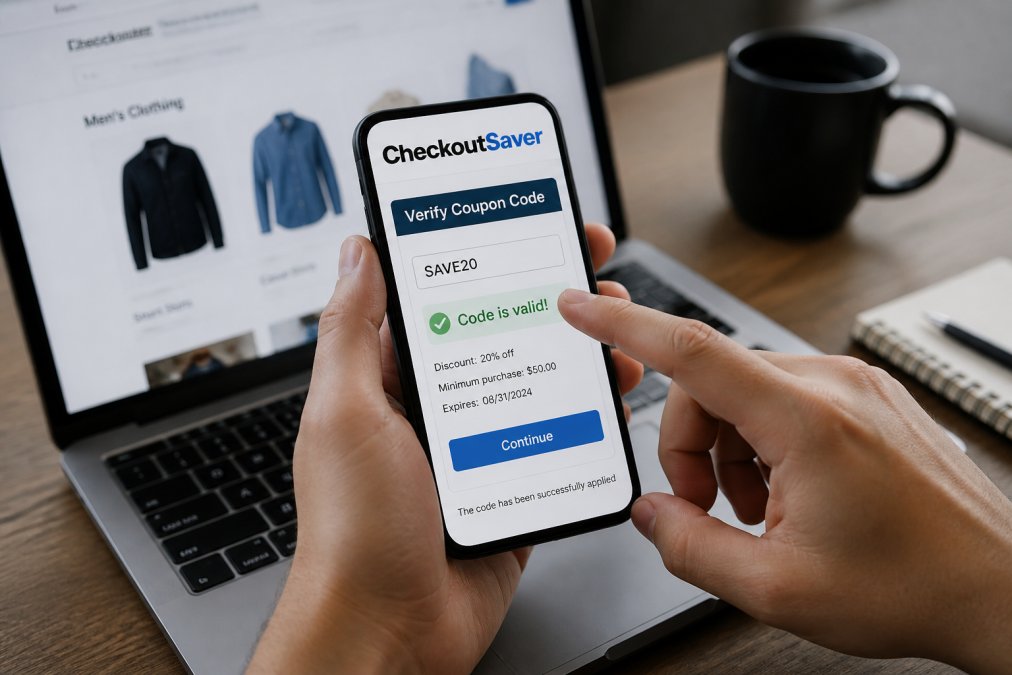
Start by checking the coupon’s validity period. Every legitimate coupon has an expiration date. If the code expires tomorrow, it’s nearly worthless, even if it’s technically functional today. Legitimate platforms display expiration dates prominently. If a seller won’t tell you when a code expires, walk away.
Next, test the code in a real shopping cart without completing the purchase. Most major retailers allow you to enter a coupon code and see whether it applies before you pay. Add a low-value item to your cart, enter the code, and watch what happens. Does it apply the discount? Does an error message appear? Does the system reject it as already used? This test takes 90 seconds and costs you nothing.
For gift cards, the verification process is similar but slightly different. Visit the retailer’s website and look for a “check balance” or “validate gift card” tool. Enter the card number and PIN (if applicable) to confirm the balance matches what the seller claimed. If the balance is zero or lower than promised, the code is worthless.
Document everything. Take screenshots of the coupon code, the verification confirmation, and the retailer’s response. If something goes wrong, you’ll have proof of what you purchased and what you received. This documentation is essential if you need to dispute the transaction with the platform or your payment processor.
Never [buy a](/buy-gift-cards) coupon code without testing it first. If a seller won’t let you verify before payment, that’s a major red flag. Legitimate traders expect verification, scammers avoid it.
How to Avoid Gift Card Scams and Fraud
Fraud in the coupon and gift card space falls into a few predictable patterns. Understanding these patterns protects you from losing money.
The most common scam is the “already used” code. A scammer lists a gift card with a $50 balance, you buy it, and when you try to use it, the balance is zero. The scammer sold you the same code multiple times, or they drained it before listing it. This is why verification before purchase is non-negotiable.
A second pattern is the bait-and-switch. A seller lists a coupon for a specific retailer, but the actual code applies to a different retailer or a different product category. You buy it expecting a discount on groceries and receive a code that only works on office supplies. Always confirm the retailer and product category before committing money.
Phishing and account takeover represent a different category of risk. A scammer might pose as a platform representative and ask you to “verify your account” by providing your login credentials. Legitimate platforms never ask for passwords via email or message. If someone claiming to represent a marketplace asks for sensitive information, report them immediately and change your password.
To protect yourself:
- Use a payment method with buyer protection. Credit cards and services like PayPal offer dispute resolution if the seller doesn’t deliver what they promised.
- Start small. Your first few trades should involve low-value codes while you build confidence in the platform and the sellers.
- Check seller history. Look at their feedback score and read recent buyer comments. A seller with 50 five-star reviews and zero complaints is lower risk than someone with no history.
- Avoid deals that seem too good. If a $100 gift card is listed for $40, ask why. Legitimate discounts exist, but extreme markdowns often indicate fraud.
- Report suspicious activity immediately. Platforms rely on user reports to identify and remove scammers. If something feels off, flag it.
Understanding Coupon Validation and Redemption
Coupon validation is the process a retailer uses to confirm a code is legitimate and eligible for redemption. When you enter a coupon code at checkout, the retailer’s system checks several things: Is this code real? Has it been used already? Does the customer’s purchase qualify for this discount? Is the code still valid (not expired)?
Different retailers use different validation systems. Some validate codes instantly at checkout. Others validate them after you complete the purchase. Some require manual verification by a store associate. Understanding how validation works at your target retailer helps you avoid surprises.
Many coupons come with restrictions. A code might only work on specific product categories, require a minimum purchase amount, or exclude sale items. These restrictions are set by the coupon issuer, usually the brand or retailer who created the code. When you buy a coupon through a marketplace, you’re responsible for understanding these restrictions. The best platforms, like Checkout Saver, make restrictions crystal clear in the listing so you know exactly what you’re getting.
Redemption is the act of using the code at checkout. Once you’ve verified the code works, redemption should be straightforward. Enter the code, watch the discount apply, and complete your purchase. If redemption fails, the most common reasons are: the code is expired, it’s been used already, your purchase doesn’t meet the requirements, or you’re shopping at an ineligible retailer.
One nuance: some coupons are single-use, meaning once someone redeems them, they’re gone. Others are multi-use and can be redeemed by multiple customers. When you’re buying and selling coupons and gift cards, single-use codes are more valuable because they guarantee exclusivity. Once you use them, they have no resale value.
Before listing a coupon for sale, confirm whether it’s single-use or multi-use. Single-use codes sell faster and command higher prices because buyers know they’re getting something exclusive.
Pricing, Fees, and Payout Methods
The economics of buying and selling coupons and gift cards depend heavily on fees and how quickly you can convert your inventory to cash.
When you sell a gift card, the platform typically takes a percentage of the sale price. This fee covers payment processing, fraud detection, customer support, and the platform’s operating costs. The exact percentage varies by platform and by the type of code you’re selling. Gift cards from major retailers (Target, Amazon, Walmart) typically have lower fees because demand is high and fraud risk is lower. More niche gift cards might have higher fees.
When you buy, you’re paying the seller’s asking price plus any buyer fees the platform charges. Some platforms charge buyers a flat fee per transaction. Others charge a percentage of the purchase price. A few don’t charge buyers at all, they make money entirely from seller fees.
Payout methods matter when you’re selling. Most platforms offer direct bank transfer (ACH), PayPal, or prepaid debit cards. Bank transfers typically take 3-5 business days (federalreserve.gov). PayPal is often faster. Prepaid debit cards are instant but sometimes carry activation fees. Choose the payout method that works best for your cash flow needs.
For pricing, the discount you can achieve depends on supply and demand. A $100 Amazon gift card might sell for $95 if many people are selling them. The same card might sell for $92 if supply is high. Conversely, a niche gift card with few sellers might command a smaller discount, or even sell at face value if demand is strong enough.
When you’re deciding whether to buy a discounted gift card, calculate the effective discount. A $100 card selling for $90 with a $2 buyer fee costs you $92, for a 8% savings. Is that worth the time and effort? For frequent shoppers, absolutely. For one-time purchases, maybe not.
Getting Started: Your First Trade
Your first trade should be low-stakes and straightforward. Start with a small amount, $10 to $25, to understand how the platform works without risking significant money.
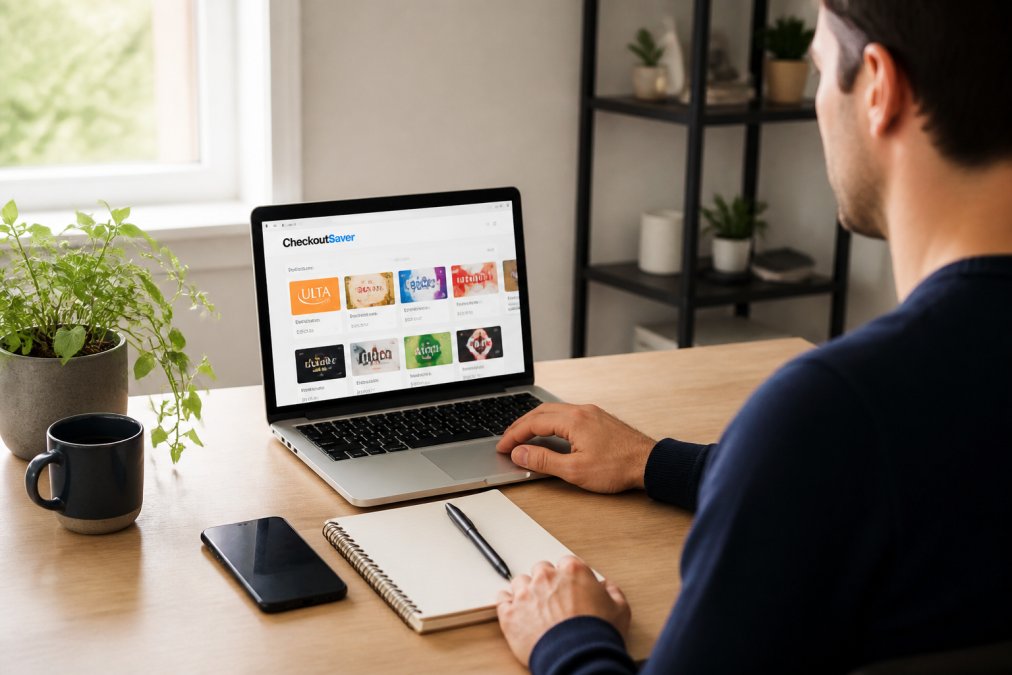
Choose a platform with strong buyer protections. Checkout Saver offers transparent listings, no hidden codes, and straightforward verification. Sign up for a free account, most platforms don’t charge to create an account or browse listings.
Browse available coupons and gift cards. Filter by retailer, discount percentage, or expiration date depending on your needs. If you’re buying, look for codes that apply to stores where you actually shop. If you’re selling, gather any unused gift cards or coupons you have lying around.
For your first purchase, pick a code from a seller with strong ratings and recent positive feedback. Read the listing carefully. Note the expiration date, any restrictions, and the exact discount or value. Add it to your cart.
Before you check out, verify the code works. Follow the verification steps outlined earlier in this guide. If it works, complete the purchase. Most platforms deliver codes instantly via email or dashboard.
For your first sale, list a gift card or coupon you genuinely don’t plan to use. Price it slightly below market rate to attract your first buyer quickly. This builds your seller reputation, which makes future sales easier and faster.
Once the trade completes, leave feedback for the other party. Feedback is the currency of trust on these platforms. Positive feedback from multiple buyers or sellers makes you more attractive to future trading partners.
Conclusion
Frequently Asked Questions
Q: Is it legal to sell unused coupons and gift cards?
A: Yes, selling unused gift cards is legal in most cases. However, coupon resale exists in a gray area. Most manufacturers prohibit coupon transfer in their terms, though enforcement is limited. Gift card sales are governed by state gift card laws, which vary but generally allow resale. Always check the specific retailer’s terms before listing. Tax implications may apply if you’re selling regularly, consult a tax professional if you’re treating this as income.
Q: How can I verify that a coupon or gift card is valid before buying?
A: Check the expiration date and merchant restrictions listed on the coupon or gift card. For gift cards, use the retailer’s balance checker tool on their website or app before completing the purchase. On peer-to-peer marketplaces like Checkout Saver, look for seller ratings and transaction history. Request proof of validity from the seller if the platform allows it. Never buy without these verification steps, fraudulent codes and depleted cards are common secondary market risks.
Q: What are the safest platforms for peer-to-peer coupon trading?
A: The safest platforms include those with buyer protection guarantees, seller verification, and escrow services that hold funds until the coupon or gift card is confirmed valid. Checkout Saver offers transparent, no-hidden-code trading with built-in validation checks. Look for platforms that display seller ratings, require account authentication, and provide dispute resolution. Avoid sites with minimal reviews or unverified sellers. Independent platforms focused on security tend to be safer than general marketplaces.
Q: What happens if I buy a gift card and it doesn’t work?
A: Reputable platforms like Checkout Saver offer buyer protection and refund policies if a gift card is invalid or depleted. Check the platform’s guarantee before purchasing. If a card fails at checkout, contact the seller immediately through the platform’s dispute system. Most legitimate marketplaces will refund your money or replace the card. Avoid platforms that don’t offer any buyer protection, this is a major red flag for fraud risk.
Buying and selling coupons and gift cards is a practical way to stretch your budget further. The key is understanding how to verify codes before you commit money and choosing platforms that prioritize security and transparency. Checkout Saver makes this process simple with one-time use coupon trading, transparent listings, and no hidden codes, so you know exactly what you’re getting before you buy. Get started free today and start keeping more money in your pocket with every purchase.
This article was written using GrandRanker