

Table of Contents
- Why Shoppers Switch From Joinhoney
- Best Browser Extensions for Cashback Rewards
- How to Find Working Promo Codes Manually
- Are Coupon Extensions Safe to Use?
- Receipt Scanning and Points-Based Alternatives
- Gift Card Trading and Coupon Exchanges
- Comparison: Automated Tools vs. Manual Hunting
- Which Alternative Fits Your Savings Strategy
- Frequently Asked Questions
Last Updated: September 1, 2026
Why Shoppers Switch From Joinhoney
Most shoppers eventually realize that relying on a single savings tool leaves money on the table. Joinhoney built its reputation on browser-based coupon hunting, but today’s smartest shoppers know that alternatives to Joinhoney combine multiple savings strategies, coupon codes, cashback rewards, receipt scanning, and gift card trading, into unified platforms or complementary tools. The real question isn’t whether alternatives exist, but which combination actually maximizes your savings without consuming your time.
At Checkout Saver, we’ve found that the shoppers who save the most layer multiple approaches: they apply automated coupons at checkout, scan receipts for points, hunt for verified promo codes when it matters, and trade underused gift cards for better deals.
Best Browser Extensions for Cashback Rewards
Browser extensions automate coupon hunting while you shop, testing combinations at checkout and applying the best available discount across thousands of retailers.
Capital One Shopping
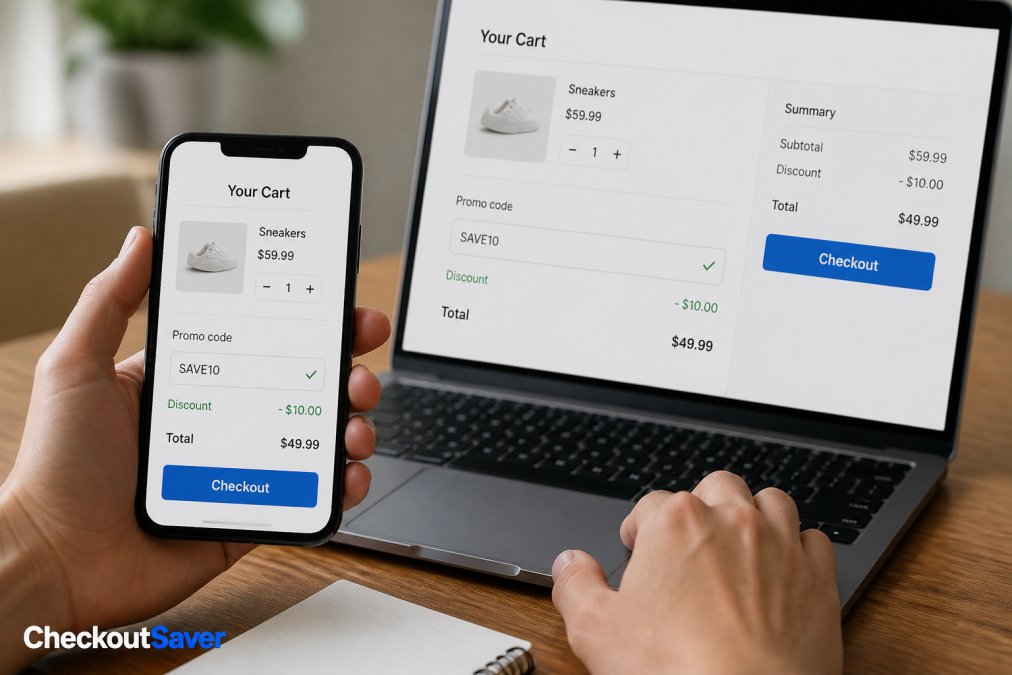
Capital One Shopping is a free browser extension that automatically searches for coupons and applies them at checkout (capitalone.com). You don’t need a Capital One account; the tool works independently and earns you shopping credits redeemable for e-gift cards. It compares prices across over 30,000 retailers and tracks items you’ve viewed, notifying you when prices drop (capitalone.com). The limitation is redemption, credits convert only to select gift cards, not direct cash.
Coupert
Coupert automatically tests and applies coupon codes, offers cashback on purchases, and provides price comparison across over 200,000 online stores (coupert.com). What sets it apart is the combination of features: automatic coupon application, real cashback offers, and price history tracking. Setup takes minutes, and most shoppers report savings within their first few shopping sessions. The trade-off is notification volume, some users find alerts intrusive.
RetailMeNot
RetailMeNot operates as a community-driven coupon database where users share verified codes. The browser extension automates application, but the real power is the underlying library of millions of verified promo codes. RetailMeNot also offers real cash rewards redeemable via PayPal or Venmo with a low $5 minimum threshold. The downside is that finding specific codes can take time, as the massive database requires scrolling through expired offers.
How to Find Working Promo Codes Manually
Automated tools miss niche retailers, limited-time offers, and codes requiring specific conditions. Manual hunting often uncovers deeper discounts that browser extensions never find.
Start with retailer email lists, most stores send exclusive codes to subscribers, often 10-20% off your first purchase. Check the retailer’s social media accounts next; many brands post flash sales or exclusive codes on Instagram, Facebook, or TikTok. Third-party coupon sites like RetailMeNot, Coupons.com, and Brad’s Deals aggregate codes from multiple sources, though always verify codes in user comments before using them.
For subscription and service-based purchases, search “[company name] coupon code 2026” directly in Google. Finally, use cart abandonment strategically, many retailers email discount codes within 24-48 hours if you add items but don’t check out.
Are Coupon Extensions Safe to Use?
Most coupon extensions collect far more data than they strictly need to apply coupons. They track which sites you visit, what you search for, and what you ultimately buy, monetizing this data through affiliate commissions and behavioral targeting.
Before installing any extension, check its privacy policy and permissions request. If an extension asks for permission to access all your browsing data but claims it only applies coupons, that’s a red flag. Use coupon extensions only on a dedicated shopping browser profile to isolate data collection. Also verify you’re installing the official version, scam versions exist on the Chrome Web Store designed to look identical to legitimate tools.
Receipt Scanning and Points-Based Alternatives
Receipt scanning flips the model: you shop normally, then earn rewards by proving you made the purchase.
Fetch Rewards
Fetch Rewards is simple, snap a photo of your receipt from any retailer and earn points. The app automatically extracts purchase details and awards points based on items purchased. You can also link your email to automatically pull eReceipts from major retailers. The appeal is universality; Fetch accepts receipts from any store. The limitation is earning rate, roughly 1-2% back, lower than many cashback credit cards, though Fetch frequently offers bonus point promotions.
Cashback Monitor
Cashback Monitor aggregates cashback rates across dozens of shopping portals and helps you find the highest-paying option before you shop. Rather than defaulting to one cashback portal, you can compare rates across 40+ options and choose the highest payer. The catch is that Cashback Monitor lacks a mobile app, and you need to maintain accounts across multiple portals.
Gift Card Trading and Coupon Exchanges
A growing segment of savvy shoppers has discovered that gift cards and coupons have secondary market value. Gift card marketplaces let you buy discounted cards from other users, a $100 Target card selling for $85 instantly locks in a 15% discount. Coupon trading operates similarly; if you receive a coupon for a product you’ll never buy, you can trade it for a coupon someone else doesn’t want.
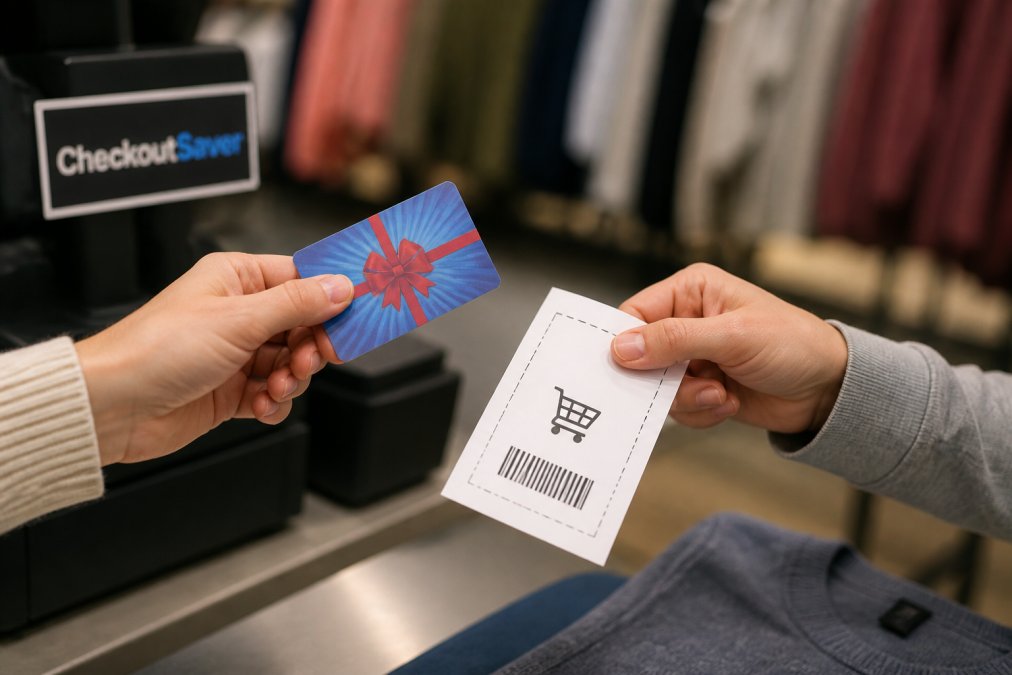
The advantage of trading over buying discounted gift cards is control, you exchange something you have for something you actually need with no cash outlay. Safety is the primary concern with secondary markets. Reputable platforms use verification systems to ensure codes are one-time use and haven’t been previously redeemed.
Comparison: Automated Tools vs. Manual Hunting
Different savings strategies work better for different shopping habits. Automated tools excel at convenience but often miss deeper discounts. Manual hunting takes more time but uncovers opportunities automation can’t reach.
| Strategy | Time Required | Best For | Typical Savings |
|---|---|---|---|
| Browser extensions | Minimal, install and forget | Frequent online shoppers at major retailers | 5-15% on applicable purchases |
| Manual code hunting | 5-10 minutes per purchase | Planned, higher-ticket buys | 10-25% on target items |
| Receipt scanning | 30 seconds per receipt | Regular shoppers across multiple retailers | 1-2% passive earnings |
| Gift card trading | 10-15 minutes to find match | Shoppers with unused cards or specific retailer preferences | 10-20% discount on card purchases |
| Coupon trading | 5-10 minutes to find match | Shoppers with coupons that don’t match their needs | Variable, depends on coupon value |
Automated tools handle routine shopping efficiently. Manual hunting pays off for planned purchases, spending 10 minutes searching for the best code on higher-ticket items yields significantly better results. Receipt scanning works best as supplementary strategy, generating modest earnings on purchases you’re making anyway. Gift card and coupon trading require the most active participation but often generate the largest discounts.
The most effective approach combines all of these: use a browser extension for routine shopping, spend 10 minutes hunting codes for planned purchases, scan receipts passively, and periodically check trading platforms to convert unused gift cards or coupons into discounts on items you actually need.
Which Alternative Fits Your Savings Strategy
For minimal-effort shoppers, Capital One Shopping is the obvious choice. For deal hunters who enjoy the search, RetailMeNot’s community-driven database and real cash rewards make it worth the extra time investment. For shoppers who want to maximize value from unused cards and coupons, Checkout Saver’s coupon trading and gift card marketplace approach is fundamentally different from browser extensions, you’re actively curating discounts that match your actual needs.
For passive reward accumulation across any retailer, Fetch Rewards layers on top of everything else. For optimized shoppers who shop across multiple retailers, Cashback Monitor reveals opportunities that single-portal users miss.
Most effective strategy: start with a browser extension for baseline automation, add manual code hunting for planned purchases, and layer in receipt scanning for passive earnings. If you have gift cards or coupons you’re not using, explore trading platforms.
Switching from Joinhoney doesn’t mean starting from scratch. The best alternatives combine automated convenience with active optimization. Checkout Saver’s coupon trading and gift card marketplace, combined with browser extensions for routine shopping, gives you multiple levers to pull. The platform’s transparent approach means no hidden codes or surprise fees, just direct access to verified coupons and fair-rate gift card exchanges. Sign Up Free and start layering savings strategies that actually fit how you shop.
Frequently Asked Questions
What are the best alternatives to Joinhoney for finding coupon codes?
Several strong alternatives exist depending on your savings style. Capital One Shopping and Coupert automatically apply coupons at checkout without manual searching. RetailMeNot offers a large verified database if you prefer hunting codes yourself. Cashback Monitor compares rates across shopping portals to maximize rewards. Checkout Saver stands out by letting you trade one-time use coupons with other shoppers and buy discounted gift cards, giving you control over which deals you actually use.
Are coupon extensions safe to use, and what should I watch for?
Reputable browser extensions like Capital One Shopping and Coupert are generally safe, but review their privacy policies before installing. These extensions track your browsing and purchase history to apply coupons and earn commissions from retailers. Check what permissions they request, avoid extensions asking for excessive access. Use only established tools with transparent terms. If you’re concerned about data privacy, manual code hunting or platforms like Checkout Saver that don’t require browser tracking offer alternatives.
How do I find working promo codes manually without an extension?
Start by visiting the retailer’s website directly, many display current promotions in their header or footer. Check dedicated coupon sites like RetailMeNot, which community members verify and rate. Search ‘[retailer name] coupon code’ in Google for current offers. Subscribe to retailer email newsletters for exclusive codes. Look for seasonal promotions and clearance events. Always test a code before completing checkout to confirm it’s active. Platforms like Checkout Saver let you buy verified, working codes from other shoppers if you want confidence without the search time.
What’s the difference between cashback apps and coupon extensions?
Coupon extensions like Capital One Shopping and Coupert automatically apply discount codes at checkout to reduce your purchase price upfront. Cashback apps like Fetch Rewards work differently, you earn points or cash rewards after you buy, which you redeem later for gift cards or cash. Some tools like RetailMeNot and Cashback Monitor offer both. Choose coupon extensions if you want immediate savings on each purchase, or cashback apps if you prefer accumulating rewards over time. Checkout Saver combines both approaches with coupon trading and discounted gift cards.
This article was written using GrandRanker