You can sell unused coupon codes for cash, but retailer and manufacturer policies, plus a real fraud risk, mean most sellers do better on verified marketplaces or safer alternatives like gift card exchanges. One option built for this purpose is a specialized online platform. Before you list anything, know that any payout may count as reportable income.
TL;DR:
- Selling coupon codes is risky due to retailer restrictions and the potential for rejection or fraud, making verified marketplaces the safer option.
- Platform verification steps include proof of purchase, serial number validation, and escrow to protect both buyer and seller from dead codes or disputes.
- Pricing typically involves listing codes below their face value after deducting platform fees, with payouts being reportable income and subject to IRS rules.
- Resale is often prohibited by retailer policies like Walgreens and Nestlé, which can reject codes even if they were sold legitimately.
- Using dedicated platforms like Checkout Saver or holding proof of legitimacy helps mitigate fraud risk and ensures a more secure transaction process.
Table of Contents
- How selling coupon codes and gift codes actually works
- Where to sell: marketplaces, exchanges, and direct buyers
- Pricing your codes and understanding your tax obligations
- Why retailers reject transferred coupons, and how fraud creeps in
- A step-by-step checklist for selling codes without getting burned
- How Checkout Saver supports sellers looking for a safer route
- A conservative take on selling your codes
- Ready to sell or buy your first code
- Where these rules and figures come from
- FAQ
- Sources
How selling coupon codes and gift codes actually works
Not every code behaves the same way once it changes hands. A one-time-use (OTU) code gets locked to the first redemption, a reusable code can work for multiple buyers until it expires, and a gift card carries its own balance that a buyer can spend anywhere the retailer accepts it. That distinction shapes what you can sell and how much trouble it causes later.
Most legitimate platforms follow a similar sequence:
- You submit the code along with proof of where it came from and when it expires.
- The platform verifies it against the retailer’s system or checks the serial number.
- A buyer pays into the platform, often held until the code is confirmed valid.
- The code transfers to the buyer, and you receive payout once the sale is confirmed.
Escrow matters here. A platform that releases your code before payment clears, or pays you before a buyer confirms it works, is skipping the step that protects both sides. Screenshots of the original purchase, the code’s face value, and its expiration date all help verification move faster and give you something to point to if a dispute comes up.
Where to sell: marketplaces, exchanges, and direct buyers
Three channel types dominate this space, and each fits a different situation.
- Dedicated coupon or OTU marketplaces handle verification and transfer for you, which reduces fraud but usually comes with a fee cut into your payout.
- Gift card exchanges work well for unused store credit or gift balances rather than single-use discount codes, and they tend to have clearer resale rules since gift cards carry cash value in a way coupons legally do not.
- Forums and direct peer-to-peer sales can get you a better price with no commission, but you carry all the verification and dispute risk yourself.
An app or dedicated OTU buyer makes sense when you have a handful of codes and want a fast, low-effort sale. Private sales make more sense only if you already trust the buyer. Watch for red flags regardless of channel: no escrow option, vague or missing verification steps, and no stated process for disputes if a code turns out to be dead on arrival.
Pricing your codes and understanding your tax obligations
Sellers typically price a code somewhere below its face value, often in the range buyers expect for secondhand discounts, then subtract whatever the platform takes before payout lands in your account. A $50 coupon listed at a discount might net you noticeably less once a platform fee comes out, so check the fee schedule and payout timing before you list anything rather than after.
- Price relative to face value, not relative to what you paid, since buyers are shopping for savings.
- Confirm payout timing: some platforms pay instantly on confirmed sale, others hold funds during a dispute window.
- Keep a running log of every sale, fee, and payout for your own records.
Payments routed through payment cards, apps, or online marketplaces can trigger Form 1099-K reporting, and the IRS is explicit that you must report income whether or not you actually receive that form. Treat every coupon or gift code sale as taxable income until you have a reason to think otherwise.
Why retailers reject transferred coupons, and how fraud creeps in
Retailers and manufacturers write their coupon policies specifically to block resale. Walgreens’ coupon policy states it will not accept coupons that are copied, reproduced, altered, transferred, purchased, or sold, and that coupons carry no cash value. Nestlé’s code policy goes further, forbidding unauthorized publication or sale of digital codes and noting that codes may be void where prohibited.
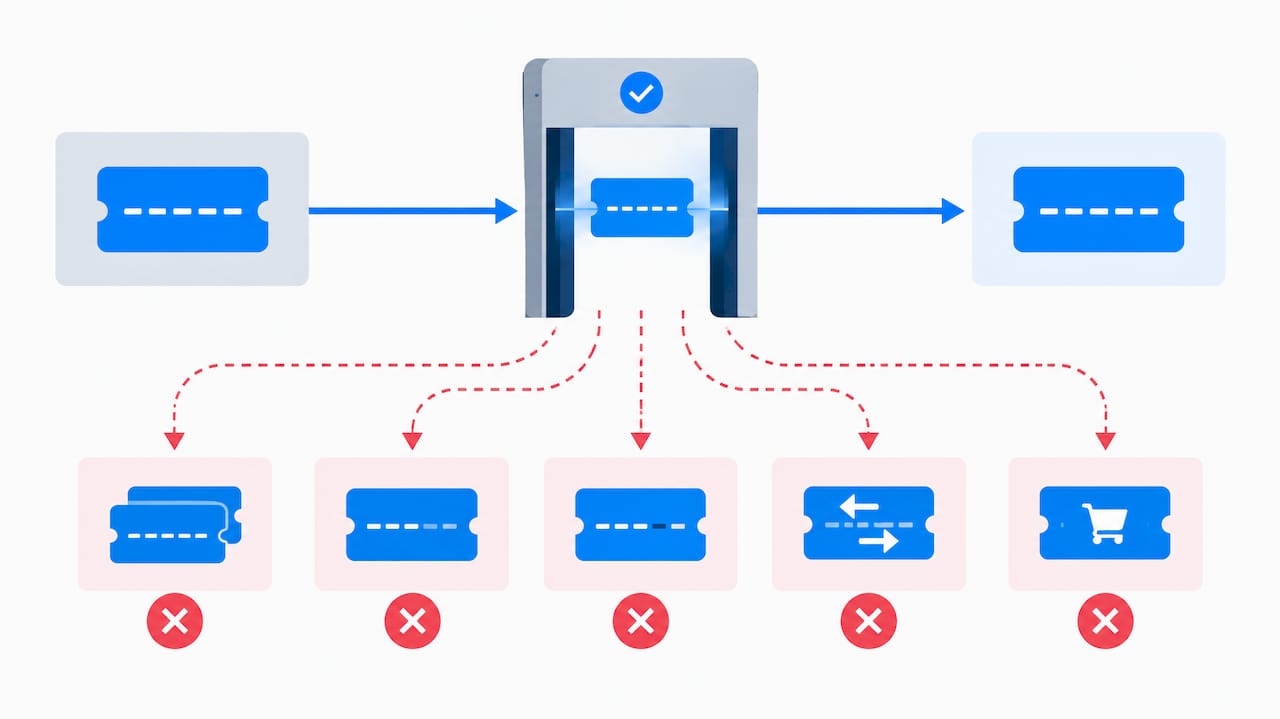
That means a code you sell legitimately on a marketplace can still get rejected at checkout if the retailer’s system flags it as transferred.
Common rejection reasons include:
- The code already expired or was already redeemed by someone else.
- The redemption address or account doesn’t match what the merchant expects.
- The code was single-use and got used once before the buyer tried it.
Fraud works both directions. Buyers sometimes dispute a valid sale to claw back payment, and sellers sometimes list codes that are already dead. Escrow, timestamped screenshots, and a platform with real dispute resolution are what separate a safe transaction from a gamble.
A step-by-step checklist for selling codes without getting burned
Work through this sequence before you list anything:
- Confirm the code type, expiration date, and any merchant restrictions printed on it.
- Screenshot the original purchase or issuance confirmation as proof of legitimacy.
- Choose a marketplace that offers escrow and a published dispute process.
- Price the code based on face value minus platform fees, not your original cost.
- Never release the code to a buyer before payment clears or escrow confirms it.
- Save every receipt, message, and confirmation tied to the sale.
- Track the payout and log it for tax purposes once it lands.
- Monitor for chargebacks for a reasonable window after the sale closes.
Pro Tip: Keep a simple spreadsheet with code type, sale price, fee, net payout, and date. It takes two minutes per sale and saves hours if a platform or the IRS ever asks for records.
How Checkout Saver supports sellers looking for a safer route
Checkout Saver runs a submission process for OTU coupons that lets you list a code for review rather than posting it blind on a forum. The platform also supports discount gift card resale as a parallel option when a coupon isn’t the right fit for what you’re holding.
What sellers get:
- A submission flow built around verification rather than a blind post-and-hope listing.
- No paywalled codes on the buyer side, which keeps the marketplace more transparent than platforms that lock codes behind subscriptions.
- A referral community alongside the core marketplace, which is not something every coupon resale site offers.
- Support for crypto purchases on the buyer side of gift cards, which widens who can transact.
Read the seller terms before listing, and run through the checklist above regardless of which platform you choose.
A conservative take on selling your codes
Selling makes sense when a code is clearly transferable, verified, and priced to survive the fee cut. It rarely makes sense for a near-expired single-use code or one tied to an account you can’t prove you own. When in doubt, use the code yourself, or trade it for cashback or a discounted gift card instead of chasing a buyer. Documentation is what keeps a sale from becoming a dispute.
— Justin
Ready to sell or buy your first code
If you’ve got a code sitting unused, Checkout Saver’s seller page walks through submission and what the platform checks before a sale goes through.
Here’s where to start depending on what you’re holding:
- Have an OTU coupon to sell: submit it for review and let the platform verify it before a buyer sees it.
- Have gift card balance instead: list it through discount gift cards rather than forcing a coupon sale that a retailer might reject.
- Want to shop rather than sell: browse verified codes across thousands of stores and skip the resale risk entirely.
Checkout Saver takes a flat percentage cut on completed sales rather than hiding fees in the fine print, and reading the seller terms before you list is worth the time it takes.
Where these rules and figures come from
- IRS: What to do with Form 1099-K
- Federal Register: FTC rule on reviews and testimonials
- Walgreens coupon policy
- Nestlé coupon and code policy
- For seller-side strategy on major platforms, see Amazon coupon strategy for sellers
FAQ
Can you sell coupon codes?
Yes, but many retailer and manufacturer policies specifically prohibit transferring or selling coupons, and merchants can refuse to honor a code that was sold. Check the issuing brand’s policy first, since Walgreens and Nestlé both explicitly restrict resale.
Where do extreme couponers get the coupons?
Most come from newspaper inserts, manufacturer mailers, store loyalty apps, and brand websites that issue public or targeted discount codes. These are different from the resold or transferred codes that retailer policies typically restrict.
Can you legally sell coupons?
Selling a coupon itself usually isn’t a criminal matter, but it often violates the issuing retailer’s or manufacturer’s stated terms, which means the merchant can legally refuse to honor it at checkout. The safer approach is using a marketplace with verification built in rather than assuming any sale will go through cleanly.
How can I convert my coupon code to cash?
List it on a marketplace that verifies the code and holds payment in escrow until the buyer confirms it works, which protects both sides of the transaction. Any payout you receive through a payment app or online marketplace may be reportable, since the IRS outlines when Form 1099-K applies to these transactions.
Sources
- Coupon policy help | Walgreens
- Nestlé coupon and code policy (excerpt)
- What to do with Form 1099-K | Internal Revenue Service
- Federal Register: FTC final rule on consumer reviews and testimonials